
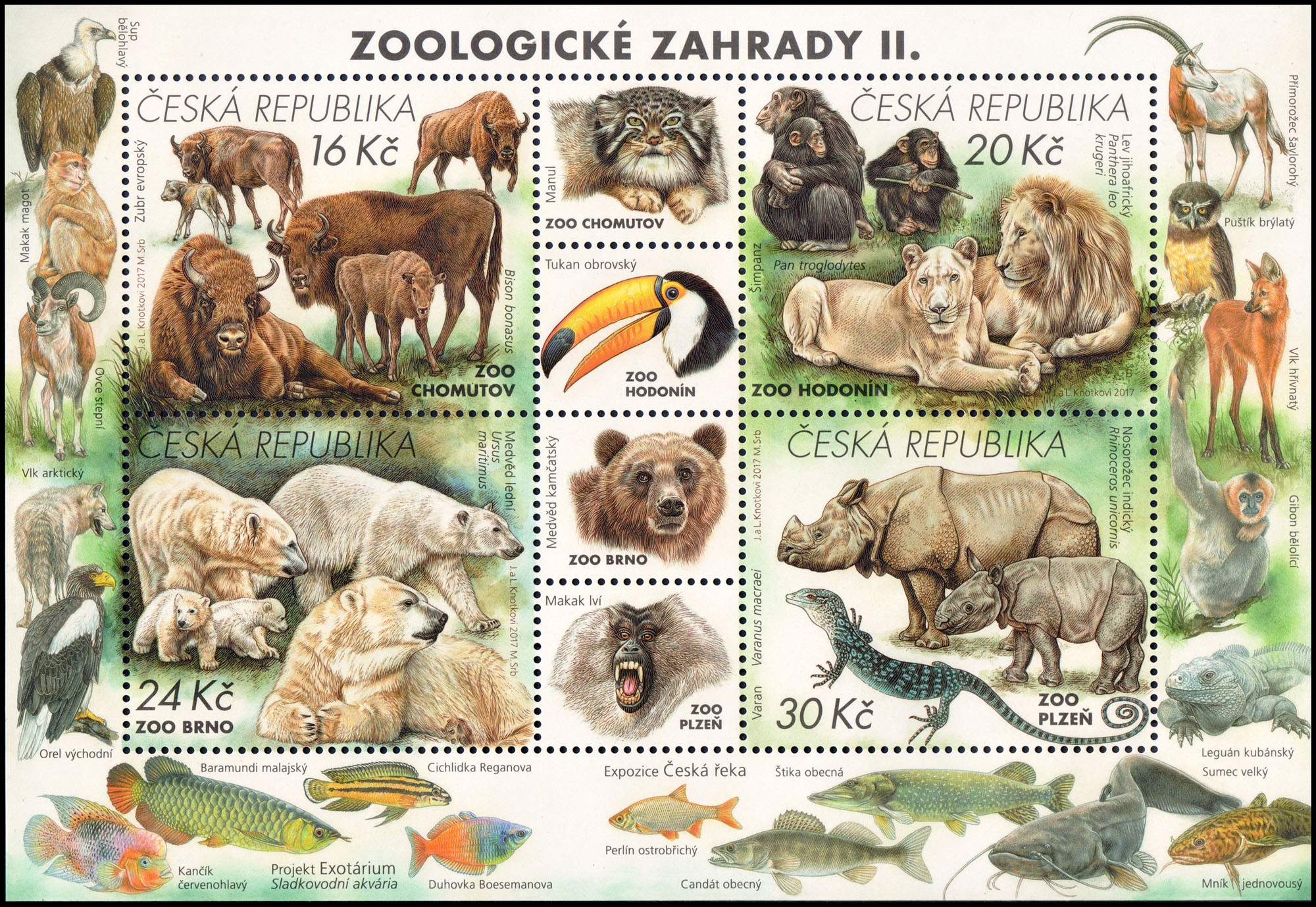
Combining wildlife photography or observation with philately (stamp collecting) creates a fascinating intersection where art, history, and environmental science meet. For decades, stamps have served as "miniature posters" for conservation, raising both funds and awareness for endangered species.
The Role of Stamps in Conservation
Philately isn't just about dusty albums; it’s a powerful tool for global environmental advocacy.
-
Awareness and Education: Stamps reach millions, often featuring local flora and fauna that citizens might never see in the wild. They turn mail into a medium for environmental literacy.
-
Revenue Generation: Many nations issue semi-postal stamps, where a portion of the purchase price goes directly to wildlife trusts or habitat restoration projects.
-
Historical Records: Stamps provide a visual timeline of a country’s biodiversity. Comparing stamps from 1920 to 2020 can reveal changes in a region's ecological priorities or the tragic extinction of featured species.
The "Big Three" of Wildlife Philately
Collectors often categorize their wildlife "topicals" into specific themes to make the hobby more manageable:
Theme
Focus
Conservation Impact
The Red List
Species classified as Endangered or Vulnerable by the IUCN.
Highlights the urgency of the extinction crisis.
WWF Issues
Stamps bearing the famous Panda logo.
Part of a coordinated global effort to fund specific habitats.
Migratory Birds
Species that cross international borders.
Emphasizes that conservation requires global cooperation, not just local.
WWF and the "Panda" Stamps
One of the most successful intersections of philately and ecology is the World Wide Fund for Nature (WWF) stamp program. Launched in the 1980s, this program involves dozens of countries issuing standardized sets of four stamps featuring a single endangered species.
Pro Tip: Look for the "Panda" emblem in the corner of the stamp. These are highly sought after by collectors and represent a direct contribution to WWF's global conservation efforts.
Tips for Starting a Conservation Collection
-
Choose a Niche: Don't just collect "animals." Focus on something specific like "Birds of Prey," "Coral Reefs," or "Pollinators."
-
Study the Habitat: Research the ecosystem of the animal on your stamp. It adds a layer of scientific depth to your hobby.
-
Support Modern Issues: Many postal services still release "Save Our Seas" or "Climate Change" series. Buying these new helps support current initiatives.
Philately reminds us that while species may be confined within borders, the responsibility to protect them is universal.

Philately has been considered as an "auxiliary science of history" because it is based on the general principles of other sciences, which in turn contribute to enrich it. It acquires knowledge of the sciences, of the arts, of languages and opens an immense road of social relations through all countries. This science broadens broad horizons of culture, discovers artistic temperaments and offers the interest of the new and the unknown, while performing a positive therapeutic wor.


